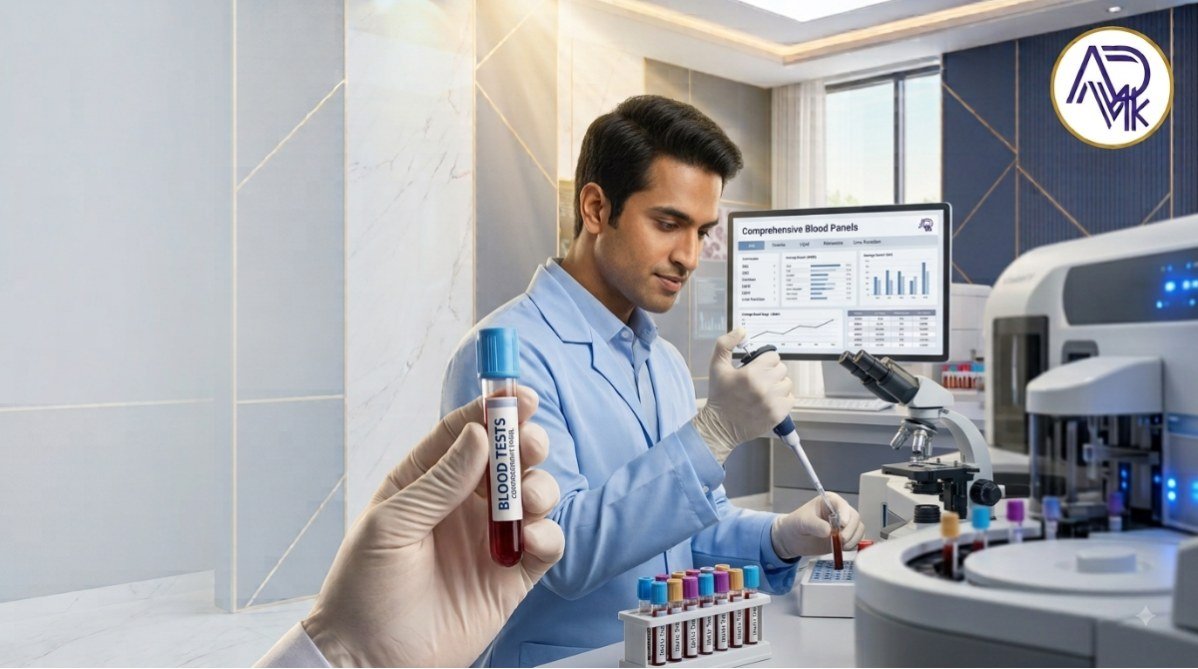
Top 10 Blood Tests for Body Health - 2026
What Is a Blood Test?
A blood test is a common medical test that involves collecting a small blood sample to assess various aspects of your health. It can help doctors detect, diagnose, and monitor various conditions, including anemia, diabetes, infections, thyroid disorders, vitamin deficiencies, and cholesterol problems.
Depending on the purpose, different blood tests may measure blood cells, glucose, hormones, vitamins, cholesterol, enzymes, or other substances. Your doctor may recommend specific tests based on your symptoms, medical history, or routine health screening.
What Is the List of Blood Tests?
Blood tests are commonly used to assess overall health, identify nutritional deficiencies, monitor chronic conditions, and detect potential health problems. Some of the most commonly recommended blood tests include:
1. Complete Blood Count (CBC)
2. Lipid Profile
3. HbA1c (Glycated Hemoglobin)
4. Comprehensive Metabolic Panel (CMP)
5. Liver Function Test (LFT)
6. Kidney Function Test (KFT)
7. Thyroid Panel (TSH)
8. Vitamin D Test
9. Vitamin B12 Test
10. C-Reactive Protein (CRP)
1. Complete Blood Count (CBC)
A Complete Blood Count (CBC) is one of the most commonly performed blood tests used to assess your overall health. It measures important components of your blood, including red blood cells, white blood cells, hemoglobin, hematocrit, and platelets.
A CBC test can help doctors identify signs of anemia, infections, inflammation, and certain blood disorders. It is often included in routine health checkups and may also be recommended when symptoms such as persistent fatigue, weakness, fever, or unusual bleeding need further evaluation.
2. Lipid Profile
A Lipid Profile is a blood test that measures different types of fats in your blood, including total cholesterol, LDL (bad cholesterol), HDL (good cholesterol), and triglycerides. It is commonly used to assess your risk of heart disease, stroke, and other cardiovascular problems.
A lipid profile may be recommended as part of a routine health checkup or for people with risk factors such as diabetes, high blood pressure, obesity, or a family history of heart disease. Regular monitoring can help doctors recommend appropriate lifestyle changes or treatment when needed.
3. HbA1c (Glycated Hemoglobin)
The HbA1c test, also known as the glycated hemoglobin test, measures your average blood sugar levels over the past 2–3 months. It is a commonly used blood test for screening, diagnosing, and monitoring diabetes and prediabetes.
Unlike a regular blood glucose test, HbA1c does not show your blood sugar at a single point in time. It provides a broader picture of how well your blood sugar has been controlled over time. The test usually does not require fasting and can be performed with a simple blood sample.
4. Comprehensive Metabolic Panel (CMP)
A Comprehensive Metabolic Panel (CMP) is a group of blood tests that provides a broad overview of your metabolic health and the functioning of important organs. It measures substances such as blood glucose, electrolytes, proteins, calcium, and markers related to liver and kidney function.
A CMP can help doctors identify blood sugar abnormalities, electrolyte imbalances, liver or kidney problems, and other metabolic conditions. It may be recommended during routine health checkups or to monitor an existing medical condition or treatment.
5. Liver Function Test (LFT)
A Liver Function Test (LFT) is a group of blood tests used to assess the health and functioning of the liver. It measures substances such as bilirubin, ALT, AST, ALP, albumin, and total protein. An LFT can help detect or monitor liver problems, including hepatitis, fatty liver disease, and other liver-related conditions. It may also be recommended when symptoms such as jaundice, abdominal discomfort, unusual fatigue, or changes in appetite are present.
6. Kidney Function Test (KFT)
A Kidney Function Test (KFT) is a group of blood tests used to assess how well the kidneys are working. It commonly measures creatinine, blood urea nitrogen (BUN)/urea, and electrolytes, along with other parameters depending on the test panel. KFT can help doctors detect or monitor kidney problems, impaired kidney function, and changes in kidney health. It may be recommended during routine health checkups or when symptoms or medical conditions require kidney evaluation.
7. Thyroid Panel (TSH)
A Thyroid Panel commonly includes the TSH (Thyroid-Stimulating Hormone) test, which helps evaluate how well the thyroid gland is functioning. Depending on the symptoms and clinical situation, doctors may also recommend tests for free T4 and Free T3.
These blood tests can help identify thyroid conditions such as hypothyroidism and hyperthyroidism. A thyroid test may be recommended when symptoms such as unexplained tiredness, changes in weight, sensitivity to heat or cold, or irregular heartbeat require evaluation.
8. Vitamin D Test
A Vitamin D test is a blood test that measures the level of vitamin D in your body, most commonly through 25-hydroxyvitamin D [25(OH)D]. Vitamin D is important for maintaining strong bones, calcium absorption, muscle function, and overall health.
Doctors may recommend this test when vitamin D deficiency is suspected or to monitor levels in people at higher risk. Low vitamin D levels may be associated with bone weakness, muscle aches, and increased risk of certain bone conditions. The test can help your doctor decide whether dietary changes, supplements, or further evaluation may be needed.
9. Vitamin B12 Test
A Vitamin B12 test is a blood test that measures the level of vitamin B12 in your body. Vitamin B12 is important for healthy red blood cell formation, nerve function, and DNA production.
The test can help identify a vitamin B12 deficiency, which may be associated with symptoms such as fatigue, weakness, numbness or tingling, and certain types of anemia. Doctors may recommend this test as part of a health checkup or when symptoms suggest a possible deficiency.
10. C-Reactive Protein (CRP)
A C-Reactive Protein (CRP) test is a blood test that measures the level of CRP, a protein produced by the liver in response to inflammation in the body. It can help doctors identify or monitor inflammation associated with infections, autoimmune conditions, and other health problems.
A CRP test may be recommended when symptoms such as fever, pain, swelling, or unexplained fatigue are present. However, CRP levels alone cannot identify the exact cause of inflammation, so results are usually interpreted along with symptoms and other tests.
Where Can I Get a Blood Test Near Me?
If you're looking for a blood test near me, choose a trusted diagnostic centre or pathology lab with experienced laboratory professionals and reliable testing facilities. Many centres in Delhi offer a wide range of blood tests, including CBC, HbA1c, lipid profile, thyroid tests, Vitamin D, Vitamin B12, LFT, and KFT. Some also provide convenient home sample collection.
When choosing a centre, consider test accuracy, report turnaround time, hygiene, qualified staff, and transparent pricing. For any specific test, follow your doctor's instructions regarding preparation or fasting.
Conclusion
Blood tests are an important part of routine healthcare and can help doctors assess overall health, detect potential health problems, and monitor existing conditions. Tests such as CBC, lipid profile, HbA1c, LFT, KFT, thyroid, Vitamin D, Vitamin B12, and CRP provide valuable information about different aspects of your health.
If you're looking for a blood test near me, choose a trusted diagnostic centre with qualified laboratory professionals, modern facilities, accurate testing, and timely reports. Always consult your doctor to determine which blood tests are appropriate for you.
Leave a comments