

Top 10 Health Checkups for Body Health - 2026
What Is a Health Checkup?
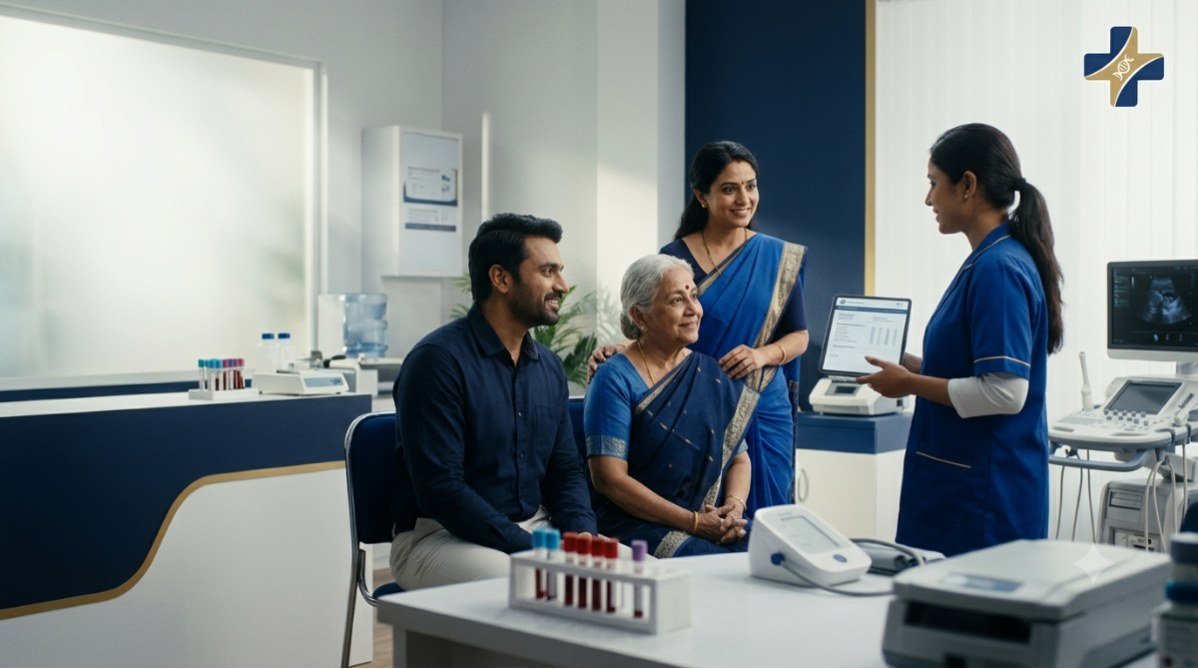
A health checkup is a routine medical assessment that helps evaluate your overall health and identify potential health problems at an early stage. It may include a medical history review, physical examination, and recommended blood tests, urine tests, imaging scans, or other diagnostic tests based on your age, health risks, and symptoms.
Regular health checkups can help monitor important health markers such as blood sugar, cholesterol, blood pressure, liver and kidney function, and nutritional status. They are an important part of preventive healthcare and can help you and your doctor make informed decisions about maintaining your health.
What Is the List of Health Checkups?
Regular health checkups can help monitor important aspects of your health and identify potential problems early. Depending on your age, health history, lifestyle, and doctor's recommendations, commonly considered health checkups include:
1. Blood Pressure Check
2. Complete Blood Count (CBC)
3. Fasting Blood Sugar & HbA1c
4. Lipid Profile
5. Liver Function Test (LFT)
6. Kidney Function Test (KFT)
7. Thyroid Profile (T3, T4, TSH)
8. Vitamin D & B12 Tests
9. Urine Routine Examination
10. Physical & BMI Examination
1. Blood Pressure Check
A Blood Pressure Check is a simple and routine health assessment that measures the force of blood against the walls of your arteries. It records two numbers: systolic blood pressure and diastolic blood pressure. Regular monitoring can help identify high or low blood pressure, which may increase the risk of heart disease, stroke, and other health problems. Blood pressure checks are an important part of routine health checkups, especially for adults.
2. Complete Blood Count (CBC)
A Complete Blood Count (CBC) is a commonly recommended blood test that provides information about your overall blood health. It measures red blood cells, white blood cells, hemoglobin, hematocrit, and platelets.
A CBC can help doctors identify signs of anemia, infections, inflammation, and certain blood disorders. It may be included in routine health checkups or recommended when symptoms such as fatigue, weakness, fever, or unusual bleeding need further evaluation.
3. Fasting Blood Sugar & HbA1c
Fasting Blood Sugar (FBS) and HbA1c are commonly used blood tests to assess blood glucose levels and screen for diabetes. FBS measures your blood sugar after fasting for a specified period, while the HbA1c test reflects your average blood sugar levels over the past 2–3 months. Together, these tests can help doctors identify diabetes or prediabetes and monitor blood sugar control over time.
4. Lipid Profile
A Lipid Profile is a blood test that measures different types of fats in your blood, including total cholesterol, LDL (bad cholesterol), HDL (good cholesterol), and triglycerides. It is commonly used to assess your risk of heart disease and other cardiovascular conditions.
Regular lipid testing can help doctors monitor cholesterol levels and recommend appropriate lifestyle changes or treatment when needed. It may be included as part of a routine health checkup, particularly for people with risk factors such as a family history of heart disease, diabetes, or high cholesterol.
5. Liver Function Test (LFT)
A Liver Function Test (LFT) is a group of blood tests used to assess the health and functioning of the liver. It measures various enzymes, proteins, and substances in the blood, including ALT, AST, bilirubin, albumin, and alkaline phosphatase.
An LFT can help doctors identify signs of liver inflammation, infection, or damage and monitor conditions affecting liver health. It may also be recommended as part of a routine health checkup or when symptoms such as jaundice, abdominal discomfort, unusual tiredness, or changes in urine or stool require evaluation.
6. Kidney Function Test (KFT)
A Kidney Function Test (KFT) is a group of blood and urine tests used to assess how well the kidneys are working. It commonly measures markers such as creatinine, urea, and electrolytes, which can provide information about kidney function.
A KFT may help doctors identify signs of reduced kidney function, kidney disease, or other abnormalities at an early stage. It is often recommended as part of a routine health checkup or when symptoms or medical conditions may affect the kidneys.
7. Thyroid Profile (T3, T4, TSH)
A Thyroid Profile is a blood test that measures T3 (triiodothyronine), T4 (thyroxine), and TSH (thyroid-stimulating hormone) to assess how well the thyroid gland is functioning. It helps doctors evaluate thyroid conditions such as hypothyroidism and hyperthyroidism.
The test may be recommended if you experience symptoms such as unexplained tiredness, weight changes, changes in heart rate, or sensitivity to heat or cold. Your doctor can interpret the results along with your symptoms and medical history.
8. Vitamin D & B12 Tests
Vitamin D and Vitamin B12 tests are blood tests used to check the levels of these essential nutrients in the body. Vitamin D is important for bone health, muscle function, and immune health, while Vitamin B12 supports red blood cell production, nerve function, and normal cell metabolism.
These tests can help identify deficiencies that may be associated with symptoms such as fatigue, weakness, muscle discomfort, numbness, or tingling. They are often included in health checkups when a deficiency is suspected or based on individual health needs.
9. Urine Routine Examination
A Urine Routine Examination is a common diagnostic test that evaluates the physical, chemical, and microscopic properties of urine. It can provide useful information about kidney and urinary tract health and may help identify conditions such as urinary tract infections, kidney problems, diabetes, or other abnormalities.
The test may check parameters such as colour, appearance, pH, protein, glucose, blood, pus cells, red blood cells, and crystals. It is often included in routine health checkups and may also be recommended when symptoms such as frequent urination, burning while urinating, abdominal discomfort, or changes in urine are present.
10. Physical & BMI Examination
A Physical & BMI Examination is a routine health assessment that may include checking height, weight, blood pressure, pulse, and other basic health measurements. BMI is calculated using height and weight and can be used as one health indicator, but it does not provide a complete picture of an individual's health.
A physical examination allows healthcare professionals to consider these measurements alongside medical history, lifestyle, symptoms, and other health factors to provide a more complete assessment.
What Is a Health Checkup Package?
A health checkup package is a combination of multiple medical tests and health assessments performed together to provide a broader overview of your health. Depending on the package, it may include tests such as CBC, blood sugar, lipid profile, liver function, kidney function, thyroid, Vitamin D, Vitamin B12, and urine tests.
Health checkup packages are designed to make routine preventive screening more convenient and can help identify potential health concerns at an early stage. The tests included vary between packages, so it is important to choose one based on your age, health needs, lifestyle, and doctor's recommendations.
Where Can I Get a Health Checkup Near Me?
If you're searching for a health checkup near me, you can choose a nearby diagnostic centre that offers preventive health packages, blood tests, and other routine screenings. In the Pitampura area, options include:
When choosing a centre, consider the tests included, laboratory quality, report turnaround time, pricing, and whether home sample collection is available. Different health checkups are suitable for different age groups and health needs, so it's best to select a package based on your doctor's advice or individual risk factors.
Where Can I Get a Health Checkup in Delhi?
If you're looking for a health checkup in Delhi, you can choose a trusted diagnostic centre that offers preventive health packages and routine blood and diagnostic tests under one roof.
For Advik Diagnostics, the centre is located at 3851-52, Gali No. 10, Pillar No. 231, near Karur Vysya Bank, Kanhaiya Nagar, Tri Nagar, Delhi – 110035. It offers preventive health checkups, pathology and blood tests, along with radiology services. Advik Diagnostics - Best Diagnostic Centre (CGHS Approved)
When choosing a health checkup centre, consider test quality, experienced professionals, transparent pricing, report turnaround time, and the range of tests included in the package.
Conclusion
Regular health checkups are an important part of preventive healthcare. The Top 10 health checkups—including blood pressure, CBC, blood sugar and lipid profile, LFT, KFT, thyroid profile, Vitamin D and B12, urine examination, and physical & BMI assessment—can provide valuable insights into different aspects of your health.
These tests can help identify potential health concerns early and allow appropriate medical guidance when needed. The right checkups may vary based on age, symptoms, lifestyle, medical history, and individual risk factors. For personalized recommendations, consult a qualified healthcare professional and choose a trusted diagnostic centre for accurate testing and reliable reports.
Leave a comments